

Introduction
Country eggs (desi eggs) are known for their rich taste, natural production, and high nutritional value. Unlike commercial eggs, they come from free-range hens raised in a more natural environment, resulting in better quality and freshness.
What is Country Egg Handling Process?
Country egg handling includes careful collection, cleaning, sorting, and storage to maintain hygiene and freshness.
Step-by-Step Process
🐔 Natural Laying
Hens raised in open or semi-open environments lay eggs naturally.
👉 Free-range conditions improve egg quality by 20–30%.
🧺 Egg Collection
Eggs are collected carefully to avoid cracks and damage.
👉 Proper handling reduces breakage by 90%.
🧼 Cleaning
Eggs are gently cleaned using dry or minimal wet methods to remove dirt.
👉 Maintains shell protection and reduces contamination by 60%.
📦 Sorting & Grading
Eggs are sorted based on size, weight, and shell quality.
❄️ Storage
Stored in cool conditions to maintain freshness and extend shelf life by 40–50%.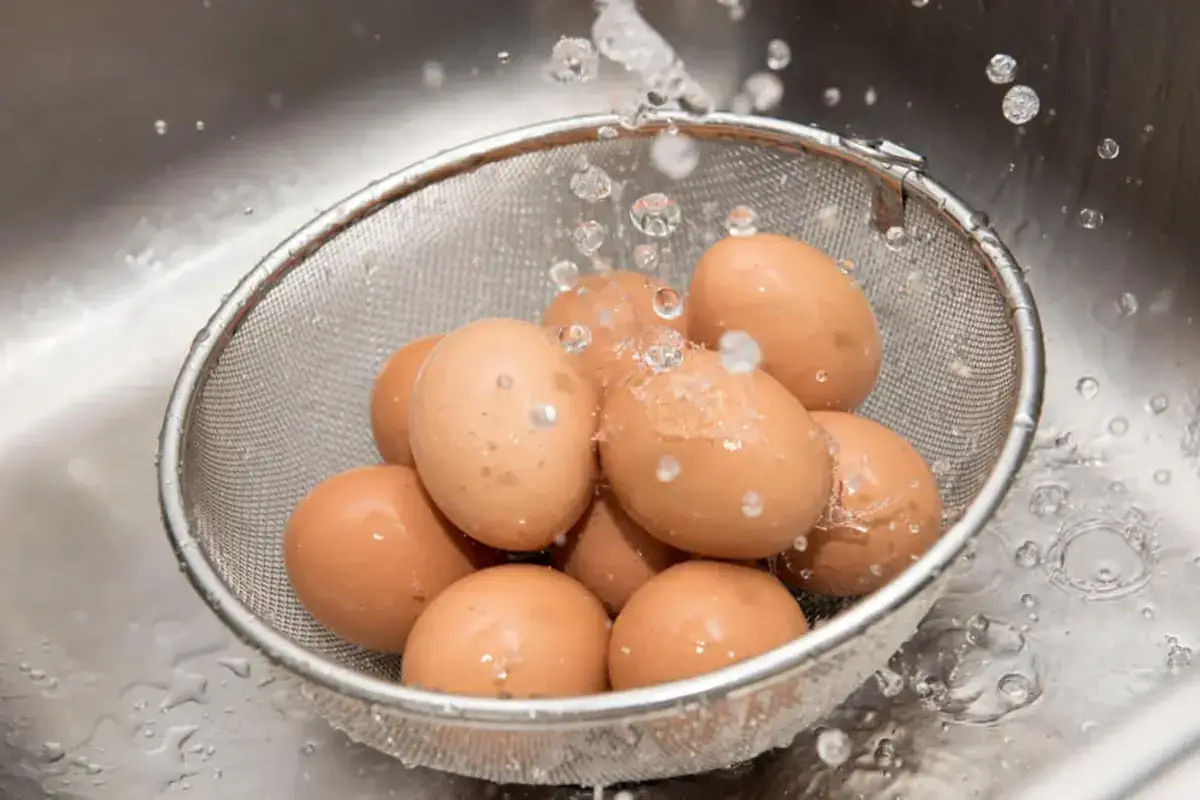
How to Store Country Eggs
-
Store at 4–7°C in the refrigerator
-
Keep in original trays
-
Avoid washing before storage
-
Place in the inner shelf (not the door)
Importance of Proper Handling
-
Maintains freshness and taste
-
Prevents bacterial contamination
-
Preserves nutrients like protein and vitamins
Conclusion
Proper handling ensures that country eggs remain fresh, safe, and packed with natural nutrition.